The Short Answer
Normal wear and tear is the gradual aging a home gets just from being lived in. Damage is something more, like a hole, a stain or a broken part. People often disagree about where the line sits, so it helps to know the common examples and to keep your own proof.
This is not legal advice. This page is about how the phrase is used in everyday renting, not a legal definition.
Rather have us handle it?
We clean homes and businesses in Jacksonville, Jacksonville Beach, Ponte Vedra, Fernandina Beach, Yulee and St. Augustine.
What the Law Says, and What It Does Not
Florida's main security deposit law is Florida Statutes section 83.49. The words “normal wear and tear” are not in that section. The phrase appears in Florida Statutes section 83.491. Read that section yourself, or ask a lawyer how it applies to your lease.
Our guide to the Florida security deposit rules walks through the deadlines.
Common Examples of Wear Versus Damage
These are general examples of how people tend to think about it. They are not a legal list, and a landlord or a court may see a case differently.
- Paint. Faded or slightly scuffed paint looks like wear. Large holes, crayon on walls or a bold color you painted yourself look more like damage.
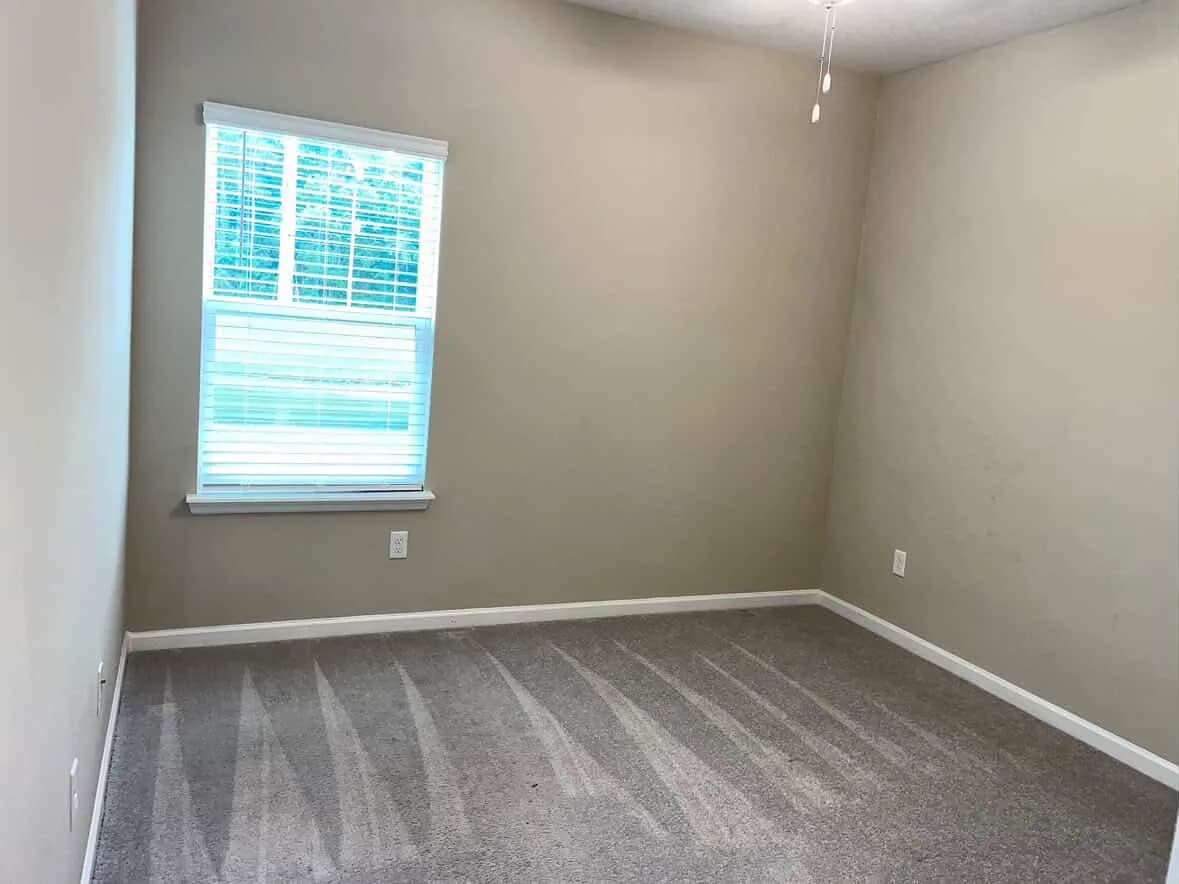
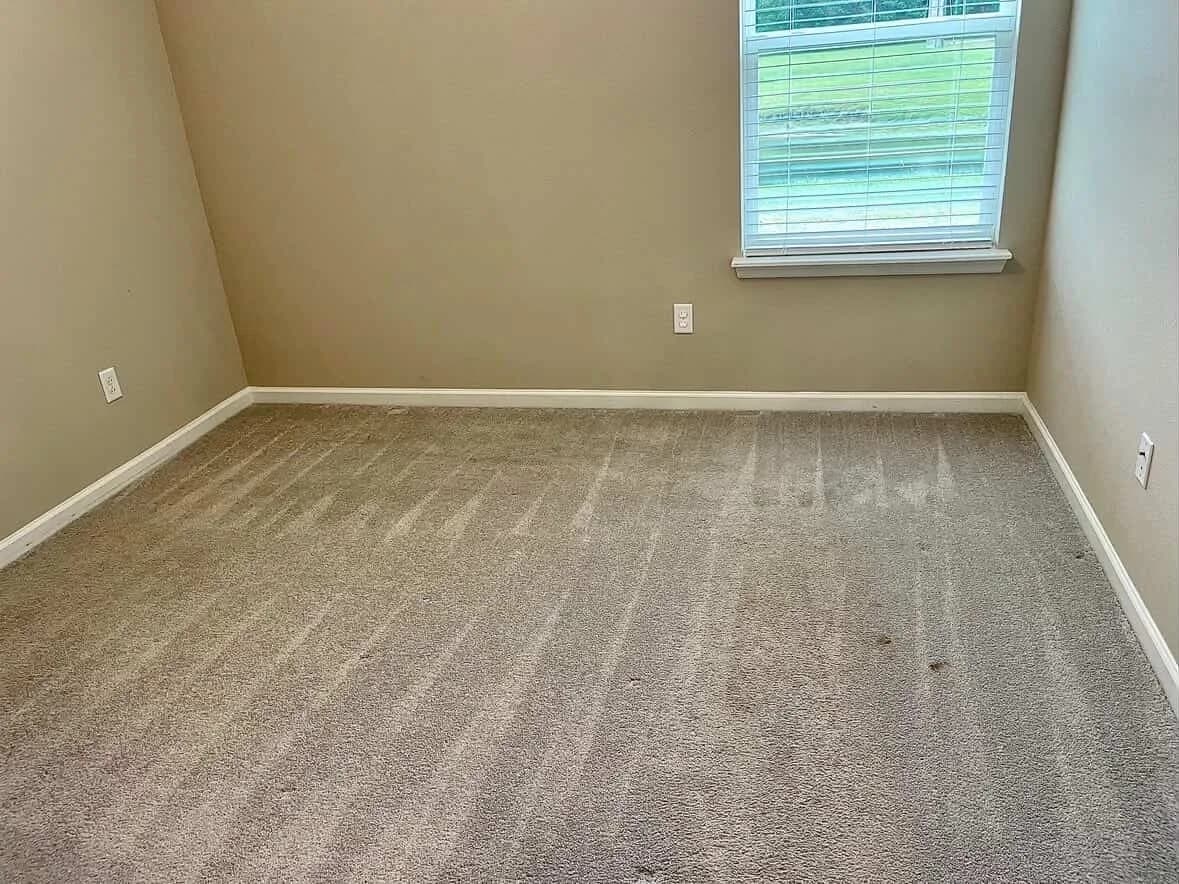
- Floors. Carpet that is flattened where people walk looks like wear. A burn, a large stain or a pet accident that soaked in looks like damage.
- Walls. Small nail holes from hanging pictures are commonly seen as wear. Gouges and cracks from furniture are commonly seen as damage.
- Fixtures. A loose cabinet hinge from years of use looks like wear. A broken door or a cracked tile looks like damage.
- Cleaning. Light dust is expected. Grease baked into the oven or mold in the shower from neglect is harder to call wear.
Ready to get started?
How to Keep the Argument Small
- Take dated photos at move-in. Show every room, and close up any mark that is already there. Our move-in inspection checklist helps.
- Report problems in writing. A short email with a photo creates a record.
- Fix small things before you leave. Clean marks off walls and tighten loose parts.
- Photograph every room after it is clean. Open the oven and the refrigerator for the photos.
- Keep the lease, the photos and every message together.
Where Cleaning Fits In
Cleaning is the part of the argument you can control. Our move-out cleaning is for an empty home: inside the oven, range hood, refrigerator and dishwasher, all cabinets and drawers, shower tile and grout, baseboards hand-scrubbed, and walls spot-cleaned. Angela S. wrote in her review: “For my move-out cleaning, they showed up early, ready to get the job done. The service was thorough and very professional.”
Call (904) 469-1035 for a free estimate. Again, this page is not legal advice. Read the statute or ask a lawyer about your own case.